



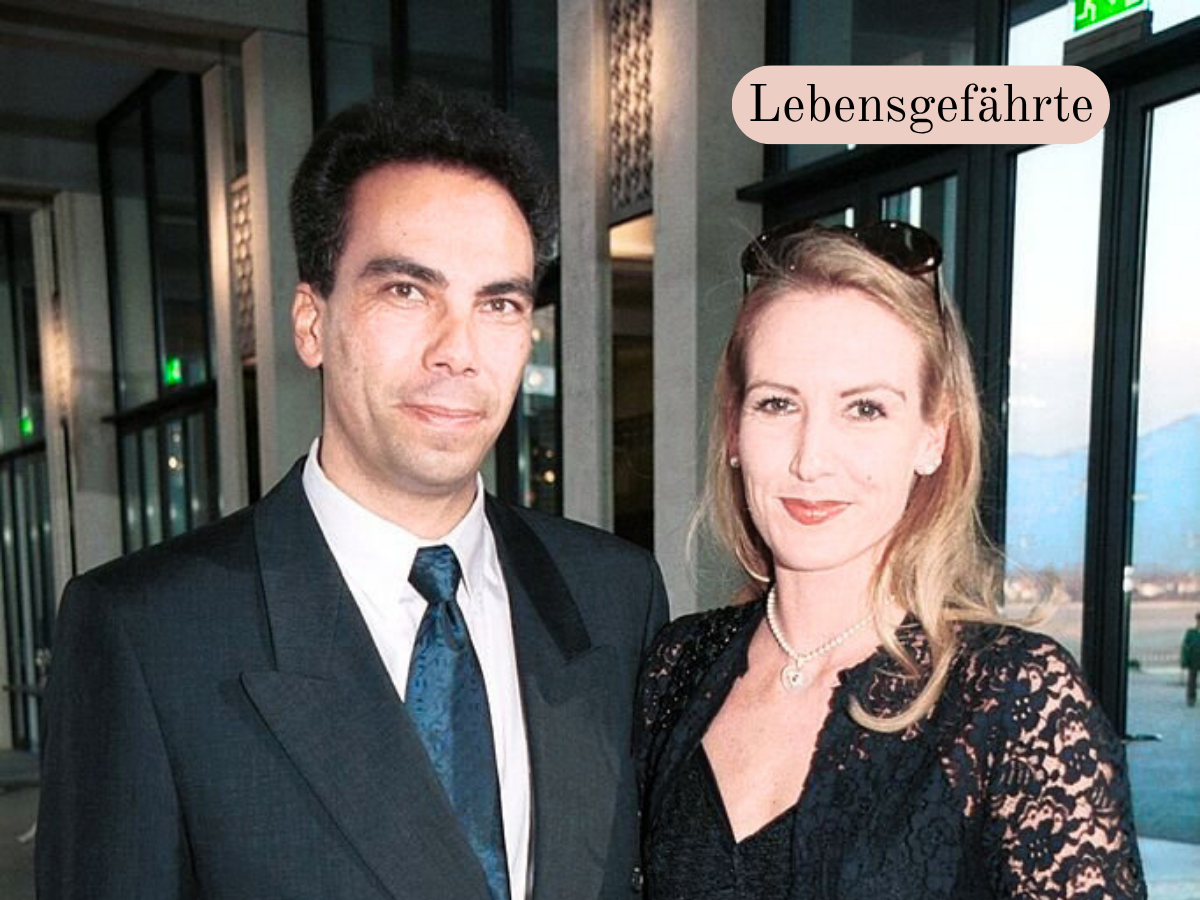
In every language, there are words that go beyond literal meaning to express emotion, connection, and the way people live together. The German word “Lebensgefährte” (masculine) and its feminine form “Lebensgefährtin” belong to this category. It is not just a translation of “partner” or “companion,” but a culturally rich expression that captures the bond between two people sharing life side by side. In modern Germany, Austria, and Switzerland, this term carries both romantic and social significance—it recognizes emotional closeness, shared everyday life, and mutual dependence, without necessarily implying a legal marriage. Understanding this word gives insight into how modern relationships are viewed in German-speaking cultures.
The True Meaning of Lebensgefährte
At its core, Lebensgefährte literally translates to “life companion” or “one who travels through life with you.” The term combines Leben (life) and Gefährte (companion, fellow traveler). It paints an image of two people walking the path of life together, facing challenges and joys side by side. Unlike “boyfriend” or “girlfriend,” it reflects maturity and long-term commitment. A Lebensgefährte is not just someone you love, but someone you live with, plan with, and grow with.
In many cases, people use the term when they have chosen not to marry but still share their lives fully. It carries an air of respect, seriousness, and stability—perfect for situations where words like Freund or Freundin (friend/boyfriend/girlfriend) might sound too casual. When someone says, “Mein Lebensgefährte und ich wohnen zusammen in Berlin,” it implies a deep partnership, not a temporary or youthful romance.
Cultural Roots and Historical Context
The idea of a Lebensgefährte developed alongside changing attitudes toward love, marriage, and partnership in European society. In earlier centuries, relationships outside marriage were socially frowned upon or even legally restricted. But as social norms evolved, especially after the 20th century, new language emerged to describe couples who live together without formal marriage. Lebensgefährte became a polite and dignified way to acknowledge such partnerships.
Today, it reflects a modern understanding of relationships based on emotional connection rather than legal status. In German-speaking culture, where words carry precision and weight, Lebensgefährte offers a perfect balance: it is respectful, adult, and emotionally grounded, yet neutral enough to avoid the connotations of marriage. It has become especially common among people in long-term relationships, widows or widowers who find love again later in life, or couples who prefer not to marry for personal or financial reasons.
Lebensgefährte – Bio Table
| Attribute | Details |
|---|---|
| Meaning | Life companion; a partner with whom one shares life without marriage. |
| Gender Forms | Masculine: Lebensgefährte, Feminine: Lebensgefährtin |
| Origin / Etymology | From German Leben (life) + Gefährte (companion/fellow traveler) |
| Pronunciation | /ˈleːbn̩sɡəˌfɛːʁtə/ |
| Legal Status | Socially recognized; not automatically granting marital rights |
| Emotional Meaning | Reflects deep companionship, loyalty, and shared life experience |
| Typical Usage | Introductions, formal contexts, social acknowledgment of partnership |
| Comparison | Less formal than spouse, more serious than boyfriend/girlfriend |
| Cultural Significance | Represents modern, committed partnerships outside traditional marriage |
| Social Media Reference | Often used to refer to partners in posts celebrating life together |
Everyday Usage and Social Perception
The word Lebensgefährte often appears in introductions, obituaries, and official documents. For instance, someone might say at a formal dinner: “Darf ich Ihnen meinen Lebensgefährten vorstellen?” (“May I introduce my life companion?”). It signals respect and permanence. Likewise, newspapers often write, “Er hinterlässt seine Lebensgefährtin” (“He is survived by his life partner”), acknowledging an important relationship without needing the term “wife.”
In daily conversation, people sometimes use Partner instead—it’s shorter and less formal—but Lebensgefährte still carries a unique sense of depth. It implies cohabitation, mutual care, and shared responsibility. In modern Germany, where around 40% of couples live together without being married, this word beautifully fits the changing reality of partnership.
Emotional Depth and Symbolism
What makes Lebensgefährte such a powerful word is its emotional resonance. It suggests a person who stands beside you not just in romance, but in everyday life. There is an unspoken promise of support, loyalty, and shared experience. The word hints at coffee shared in quiet mornings, decisions made together, and the comfort of familiarity.
In this sense, Lebensgefährte carries more weight than any casual romantic label. It’s about companionship through the full course of life—someone who knows your habits, your moods, your laughter, and your pain. It’s a partnership of equals, grounded not in ceremony but in lived experience. This emotional richness is what makes the word stand out even today in a world full of quick labels and fleeting connections.
Legal Meaning and Modern Implications
From a legal standpoint, Lebensgefährte doesn’t automatically grant the rights of a spouse in German law. For example, if one partner passes away, the surviving Lebensgefährte may not have the same inheritance rights as a married spouse unless a will is in place. Similarly, tax benefits, pension sharing, and certain medical decision rights may require formal registration or legal documentation.
However, over the past few decades, German society has made progress in recognizing the diversity of relationships. Many institutions now accept proof of cohabitation, shared financial responsibility, or long-term partnership as evidence of a legitimate bond. Couples may also register as eingetragene Lebenspartner (registered life partners), a term used especially before same-sex marriage was legalized. While Lebensgefährte remains more of a social and emotional title than a legal one, it is still recognized with respect and legitimacy in many contexts.
The Difference Between Lebensgefährte and Lebenspartner
Although the two words sound similar, Lebensgefährte and Lebenspartner are not identical. A Lebenspartner is often used in legal or bureaucratic contexts, especially in the sense of a registered domestic partnership. A Lebensgefährte, on the other hand, emphasizes the emotional and practical aspects of sharing life without formal legal ties.
In short:
- Lebenspartner → may imply legal registration, formal recognition.
- Lebensgefährte → emphasizes cohabitation, shared life, emotional connection.
This distinction is subtle but important. It shows how German carefully distinguishes between the legal structure of a relationship and the human experience of companionship. For many, being called Lebensgefährte is a badge of honor—it means they are chosen and cherished, not just bound by law.
Personal Characteristics and Symbolic “Profile” of a Lebensgefährte
If we were to imagine a “profile” of a Lebensgefährte as a person, we might say:
A Lebensgefährte is usually mature, emotionally steady, and deeply connected to their partner. They may not seek labels like husband or wife, yet they share the same loyalty and partnership. Age varies widely—young couples living together for the first time, or older adults who find companionship after divorce or widowhood, both use the term proudly.
In a metaphorical sense, we could describe their “physical appearance” as someone grounded, with eyes that reflect shared stories and experiences. Their “net worth” is measured not in money but in trust, affection, and time invested in the relationship. A Lebensgefährte’s “family” extends beyond bloodlines—it’s built on love, shared memories, and mutual respect. On social media, people often refer to their partner as “mein Lebensgefährte” or “meine Lebensgefährtin” in posts that celebrate anniversaries, travels, or life achievements—an elegant and heartfelt expression that feels more meaningful than “boyfriend” or “girlfriend.”

Benefits of a Lebensgefährte Relationship
The benefits of having a Lebensgefährte go beyond romance. It offers companionship without the pressure of formalities. Couples can share finances, raise children, or support each other emotionally without feeling confined by traditional expectations. The relationship grows organically, built on choice rather than obligation.
There’s also psychological comfort in the word itself—it suggests partnership, not possession. People in such relationships often describe feeling freer and more authentic. They live together because they want to, not because they must. This voluntary bond often creates a strong emotional foundation. Many couples say that being Lebensgefährten keeps their love fresh and their communication open, precisely because they maintain independence within unity.
Challenges and Limitations
Despite its beauty, the Lebensgefährte concept has its challenges. Without legal marriage, partners must sometimes take extra steps to protect each other’s rights. For example, writing wills, granting power of attorney, or clarifying property ownership. Society, too, can still be traditional in some regions, where older generations expect marriage as the ultimate proof of commitment.
However, these challenges rarely overshadow the emotional authenticity that defines such relationships. In fact, many people view the choice to remain Lebensgefährten as a sign of modern independence and confidence. It’s a partnership based not on legal necessity, but on genuine connection.
Modern Evolution and Future of the Term
In 2025, Lebensgefährte continues to evolve. As more people value emotional bonds over institutional recognition, the term feels more relevant than ever. In the age of social media and global mobility, relationships are being redefined. Younger generations use Lebensgefährte as a proud expression of lasting love without bureaucracy. It has also become a gender-neutral term of equality—both partners are companions, not possessions.
German culture is particularly skilled at creating compound words that express depth and intimacy. Lebensgefährte stands alongside words like Seelenverwandter (soulmate) and Lebensfreude (joy of life) as part of a linguistic tradition that blends emotion and philosophy. It shows that language can evolve with society, embracing new ways of living while maintaining respect for human connection.
Conclusion: A Word that Celebrates Companionship
The word Lebensgefährte is more than just vocabulary—it’s a reflection of how love and partnership have matured in modern life. It celebrates the essence of shared existence: two individuals choosing to walk through life together, not because of obligation, but because of love, trust, and respect. Whether young or old, married or not, the meaning behind Lebensgefährte is timeless—it honors the quiet strength of companionship that endures beyond paperwork or tradition.
In a world that often rushes to label relationships, Lebensgefährte invites us to slow down and appreciate what truly matters: walking together, side by side, through the journey of life.
FAQs
1. What does the term “Lebensgefährte” mean?
Lebensgefährte is a German word meaning “life companion” — a person you share your life with, usually without being married. It expresses deep partnership and emotional connection.
2. Is there a difference between Lebensgefährte and Lebenspartner?
Yes, Lebenspartner often implies a legally registered partnership, while Lebensgefährte refers to a committed partner without formal legal status.
3. Can same-sex couples use the word Lebensgefährte?
Absolutely. The term is gender-inclusive and applies to any loving, long-term partnership regardless of gender or sexual orientation.
4. Does being a Lebensgefährte have legal rights in Germany?
Not automatically. Unmarried partners must arrange legal documents for inheritance, health decisions, or financial matters.
5. Why is Lebensgefährte considered a beautiful word?
Because it reflects love, respect, and companionship without dependence on marriage—it celebrates genuine emotional unity.