


Sportarten are not just games; they are a way of life. Across the world, people take part in countless forms of physical activity that bring energy, connection, and joy.
The German word “Sportarten” means “types of sports” or “kinds of sports.” It combines two words — Sport (sport) and Arten (types). But the meaning goes beyond language. Sportarten represent all the ways humans challenge themselves, stay healthy, and express teamwork or individuality through motion.
What Are Sportarten?
The term Sportarten covers all forms of organized physical activities that include competition, training, or recreation.
Each Sportart (singular) has its own rules, goals, and skills. For example, football requires teamwork and endurance, while gymnastics depends on balance and flexibility.
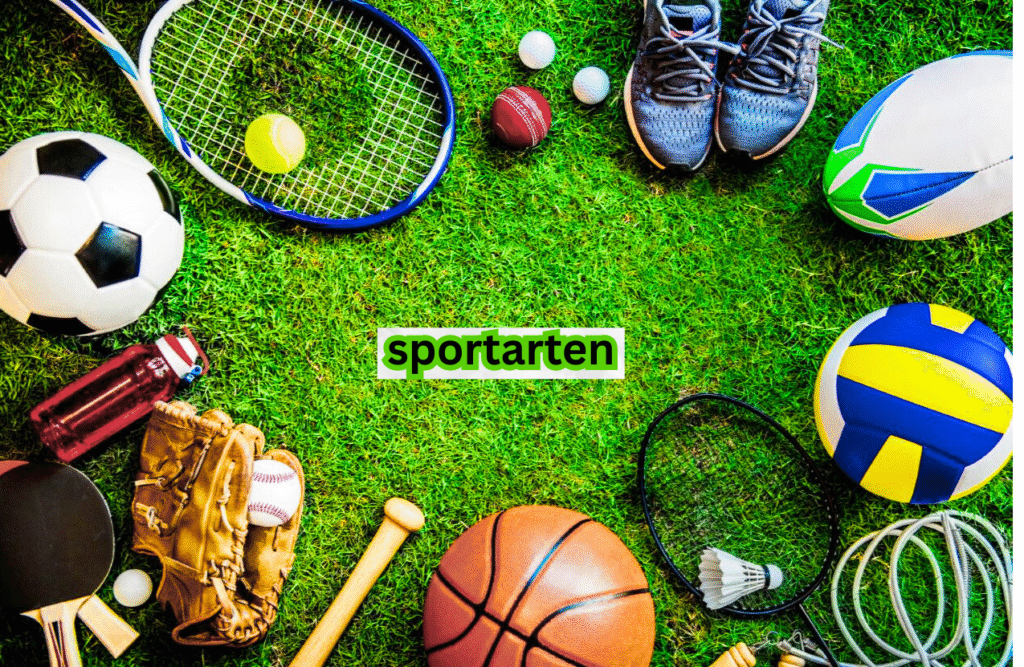
These categories help us understand how different sports work, what skills they build, and what benefits they offer. From football fields to swimming pools and mountainsides, Sportarten form part of daily life in nearly every culture.
In Germany alone, there are around 91,000 sports clubs and more than 27 million memberships, showing how deeply Sportarten are connected to everyday life.
The Role of Sportarten in Modern Life
Sportarten play a vital role in our physical, emotional, and social well-being. They do more than build muscles — they help build character.
Regular participation improves heart health, coordination, and stamina. At the same time, it sharpens the mind, reduces stress, and boosts confidence.
Sports also create social connections. Team sports such as football, volleyball, or basketball encourage teamwork and communication. Individual sports like swimming or tennis teach self-discipline and focus.
Culturally, certain Sportarten are symbols of national pride. In Germany, football dominates, drawing millions of fans and players each week. But growing interest in handball, basketball, and cycling shows how varied the sporting culture has become.
Table: Overview of Popular Sportarten and Their Key Features
| Sportart | Type | Main Skills Needed | Health Benefits | Popularity (Germany/World) |
|---|---|---|---|---|
| Fußball (Football) | Team Sport | Endurance, teamwork, coordination | Improves heart health and teamwork skills | Very high |
| Tennis | Individual Sport | Speed, focus, balance | Builds agility and concentration | High |
| Schwimmen (Swimming) | Water Sport | Strength, breathing control | Full-body workout and stress relief | Very high |
| Leichtathletik (Athletics) | Individual Sport | Speed, strength, flexibility | Enhances stamina and physical conditioning | High |
| Skifahren (Skiing) | Winter Sport | Balance, lower-body strength | Boosts endurance and leg muscles | Medium–High |
| Boxen (Boxing) | Combat Sport | Reflexes, control, power | Improves coordination and confidence | Medium |
| Klettern (Climbing) | Adventure/Outdoor | Grip, focus, body control | Strengthens muscles and mental focus | Medium |
| Radfahren (Cycling) | Outdoor Sport | Stamina, leg strength | Increases heart fitness and lung capacity | Very high |
| Basketball | Team Sport | Agility, teamwork, precision | Enhances speed and hand-eye coordination | High |
| Eishockey (Ice Hockey) | Winter Team Sport | Balance, reaction, teamwork | Builds stamina and coordination | Medium |
Categories of Sportarten
There are many kinds of Sportarten, each offering different challenges and rewards. Below are the most common types found worldwide.
Team Sports
These Sportarten involve cooperation and competition between groups of players. Football, basketball, volleyball, and handball are popular examples.
Team sports build leadership, communication, and trust. They also promote healthy competition and social bonding.
Individual Sports
Individual Sportarten like tennis, athletics, or gymnastics focus on personal growth and self-motivation.
They teach discipline and responsibility since the outcome depends entirely on your effort. These sports are perfect for people who enjoy setting and achieving their own goals.
Water Sports
Swimming, rowing, diving, and surfing belong to this exciting category. Water-based Sportarten provide excellent full-body workouts while being gentle on joints.
They are refreshing, fun, and suitable for people of almost any age. Many also find peace and relaxation in the rhythm of water-based activities.
Winter Sports
In snowy or icy regions, winter Sportarten are a major part of life. Activities like skiing, snowboarding, ice skating, and ice hockey are not just sports — they are traditions.
Germany, with its Alps and cold winters, has a strong winter sports culture that attracts both locals and tourists every year.
Combat Sports
These Sportarten include boxing, judo, karate, wrestling, and taekwondo. They focus on technique, respect, and control rather than aggression.
Combat sports teach self-discipline, confidence, and mental toughness. They are also great for improving reflexes, strength, and coordination.
Adventure and Outdoor Sports
Sports like climbing, cycling, mountain biking, hiking, and paragliding are for people who love exploration and freedom.
Outdoor Sportarten allow you to connect with nature while staying fit. They challenge both body and mind, providing a sense of adventure and calm at the same time.
Motor Sports
Racing events like Formula 1, MotoGP, and rally racing attract millions of spectators. These Sportarten combine speed, skill, and technology.
Germany has a deep connection with motorsports through world-famous car brands and international racing events.
How to Choose the Right Sportart
Choosing the right Sportart depends on your personality, lifestyle, and goals.
If you enjoy teamwork and social interaction, pick something like football or basketball. For personal focus, try tennis, swimming, or running.
Consider your fitness level, time, and budget. Some sports need more equipment or facilities, while others are simple to start.
Most importantly, choose something you enjoy — because consistency comes from passion, not pressure.
Sportarten in Germany
Germany is one of Europe’s most active sporting nations. Nearly one in three people belongs to a sports club.
Football is by far the most popular, with more than 7 million club members. However, gymnastics, tennis, athletics, handball, and basketball are also widely practiced.
The country’s infrastructure supports all ages — from school sports programs to community clubs and professional leagues. Germany’s focus on youth sports ensures that physical education remains a core part of learning and development.
The Benefits of Sportarten
Playing sports has many benefits that touch every part of life.
Physical Benefits
Sportarten strengthen the heart, muscles, and bones. Regular activity improves flexibility and coordination, lowers disease risk, and helps maintain a healthy weight.
Children who grow up playing sports often develop better posture, motor skills, and confidence in movement.
Mental and Emotional Benefits
Exercise releases endorphins, the “happy hormones,” which improve mood and reduce stress. Sports also build focus, patience, and resilience.
Whether winning or losing, athletes learn valuable lessons about effort and growth. These skills carry over into school, work, and everyday life.
Social and Community Benefits
Team and club sports create friendships and a sense of belonging. They bring people of all backgrounds together through shared goals.
Volunteers, coaches, and parents form supportive networks that strengthen community spirit and leadership among young players.
Family and Youth Development
For young people, Sportarten are more than hobbies — they’re powerful learning experiences. Sports help children discover their strengths, manage emotions, and stay active in healthy ways.
Families who participate together — hiking, cycling, or swimming — create strong bonds and shared memories. Sports also help replace screen time with meaningful, energetic activities.
Challenges in Sportarten
While the positives are huge, it’s important to recognize the challenges too.
Some sports can be costly due to equipment or membership fees. Injuries can happen without proper training or warm-ups. Balancing practice with school or work may also be tough.
It’s vital to start slowly, listen to your body, and practice safely. Finding a good coach or joining a club can make learning safer and more enjoyable.
How to Get Started with Sportarten
Starting is easier than you think. Here’s a simple approach:
- Try different sports to see what you enjoy most.
- Join a local club or community program.
- Set small goals like attending training twice a week.
- Stay consistent, even when motivation dips.
- Balance fun with fitness — remember why you started.
Every great athlete began as a beginner. With regular practice and enthusiasm, anyone can enjoy the rewards of Sportarten.
Conclusion
Sportarten represent one of the best parts of human culture — movement, teamwork, and joy. They teach us health, respect, patience, and unity.
Whether you are kicking a football, swimming in a pool, skiing down a slope, or climbing a mountain trail, every sport brings a unique gift to your life.
So, choose your sport, embrace the challenge, and let Sportarten make your body stronger, your mind calmer, and your heart happier.
FAQs
Q: What does Sportarten mean?
A: Sportarten is German for “types of sports” — it refers to different kinds of sports activities.
Q: Why should I try a Sportart?
A: Playing a Sportart improves fitness, mood, teamwork, and life skills like discipline and goal-setting.
Q: How do I pick the right Sportart for me?
A: Choose what you enjoy, check local access and cost, and match it to your fitness level and time.
Q: Are Sportarten safe for everyone?
A: Most are safe with proper warm-ups, coaching, and protective gear; pick low-impact options if you have health limits.
Q: How can I start a Sportart with little experience?
A: Try beginner classes, join a local club, set small goals, and practice consistently a few times a week.